
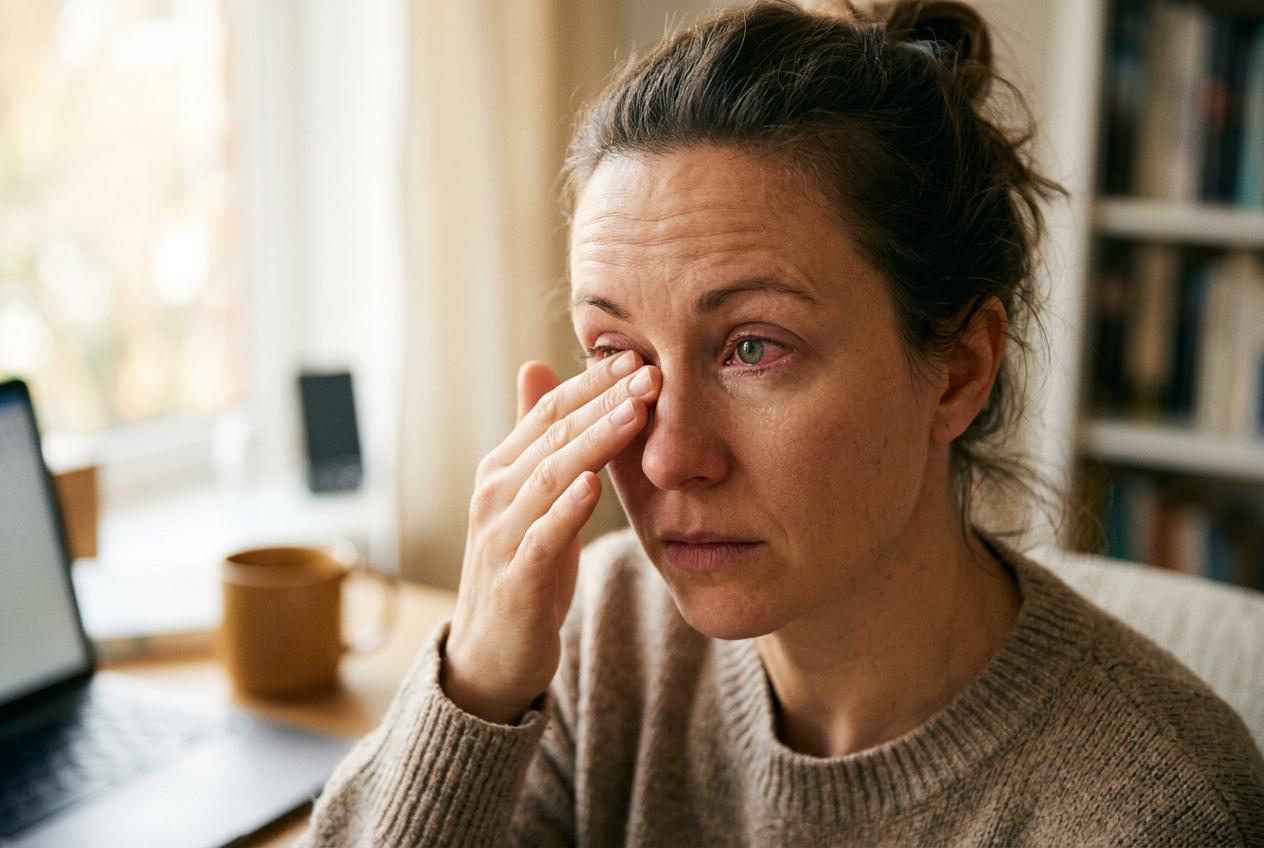
Maybe your eyes feel tired, scratchy, or just a little off, but you can’t seem to figure out why. At The Eye Gallery in Wichita, we know that you want answers and real relief. That’s why our team provides thorough dry eye evaluations and personalized care designed to address your specific situation.
Dry eye can happen when your tears can’t keep your eyes properly lubricated, either because your body isn’t making enough of them or because they evaporate too quickly. The signs and symptoms can vary from person to person, making an eye exam an important part of finding relief.
The Most Common Symptoms of Dry Eye
Though the signs and symptoms of dry eye vary from person to person, there are some common signs to keep an eye out for. If you notice any of these feelings, it may be time to schedule an eye exam:
- Redness, stinging, or burning in the eyes
- Gritty or scratchy feeling, like something’s in your eye
- Blurred vision or eye fatigue after screen time
- Excessively watery eyes, which can be your body’s response to the irritation
Symptoms That Might Surprise You
The Link Between Watery Eyes and Dry Eye
It might seem backward, but watery eyes can actually be a sign of dry eye. When your eyes get dry and irritated, your body may respond by flooding them with extra tears, sometimes called “reflex tears”.
The problem is that these reflex tears don’t have the right balance of water, oil, and mucus to properly soothe your eyes, so the irritation persists even as your eyes water. If your eyes tend to tear up at random moments, like when you step outside or sit near a fan, that’s worth mentioning to an eye doctor.
Other Unexpected Signs to Watch For
Some dry eye symptoms don’t get talked about as much. Clear stringy or sticky mucus around the eyes, especially in the morning, is one of them. It can feel like your eyes are harder to open first thing, or there’s a film that won’t quite clear up.
You might also notice that your contact lenses feel uncomfortable much sooner than they used to, or that nighttime driving has become harder because lights seem to blur or cause more glare than before. These aren’t random frustrations to just put up with, they’re real symptoms that a dry eye evaluation can help address.
What Can Be Mistaken for Dry Eye
Conditions with Similar Symptoms
There are some conditions that can share symptoms with dry eye. Eye allergies, for example, can cause redness, irritation, and watering that feel similar to dry eye. One of the clearest ways to tell them apart is that allergies cause intense itchiness, where dry eye causes a feeling of grittiness. Allergies can also be connected to certain times of the year or triggers like pollen, pet dander, or dust.
Eye strain from prolonged screen use is another condition that can resemble dry eye. Blurry vision, fatigue, and discomfort after long hours on a computer or phone can overlap heavily with dry eye signs, which is why a proper exam matters so much.
When to Take Symptoms More Seriously
That dry, scratchy feeling after a long day isn’t always cause for concern. But when symptoms stick around or keep coming back, that’s a signal worth paying attention to. If you notice persistent redness, especially if it’s accompanied by pain or vision changes, it’s worth having an eye doctor have a look.
The sooner you get a clear picture of what’s actually going on, the sooner you can find real relief instead of just guessing.
What Leads to Dry Eye
The 2 Main Factors Behind Most Cases
Dry eye is multifactorial, which means it is often caused by a few contributing factors. That being said, many dry eye cases come down to 2 main factors.
Either your eyes aren’t producing enough tears to stay comfortable, or the tears you do have don’t have enough oil in them, so they evaporate very quickly. Both lead to the same uncomfortable feelings, but the path to relief can look slightly different depending on which factor is at play.
That’s why it’s helpful to have an eye doctor look at your tear quality and quantity rather than just guessing based on symptoms alone.
Everyday Factors That Can Make Dry Eye Worse
Your daily environment and habits can have a big impact on how your eyes feel. When we spend hours staring at a screen, we tend to blink less, and fewer blinks means your tears spread over your eyes less often. Dry air, wind, cigarette smoke, and even air conditioning can all disrupt the tear film and contribute to discomfort.
Age, hormonal shifts, and certain medications can also affect how your eyes produce and maintain tears. If you’ve noticed your symptoms creeping up over time, these factors may be contributing more than you’d expect.
How an Eye Doctor in Wichita Can Help
What a Dry Eye Exam Looks Like
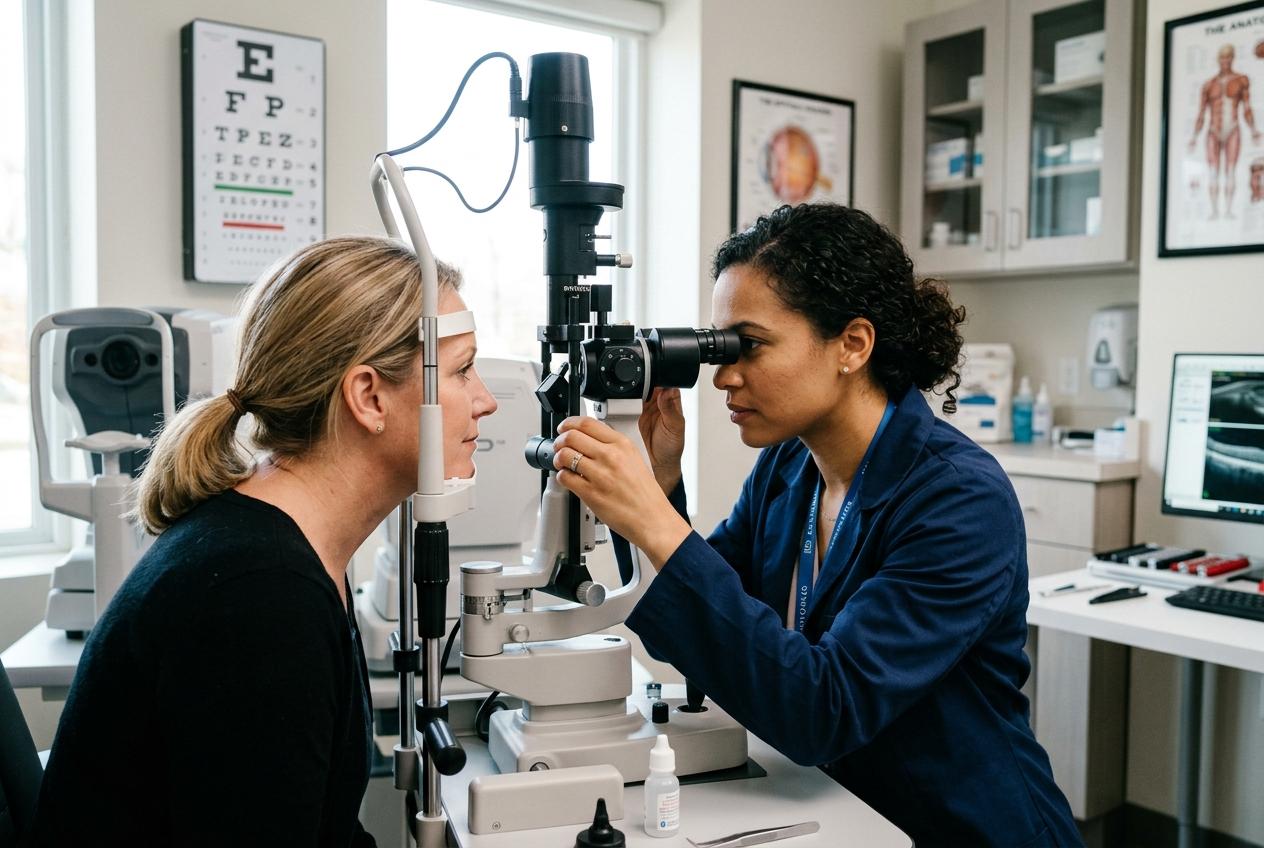
A dry eye evaluation is designed to get a detailed look at your tear quality and how quickly your tears evaporate. Your symptoms, health history, and daily habits are all part of the conversation, too, so the treatment approach fits your actual situation.
Relief Options Worth Knowing About
Depending on what the exam reveals, there are several directions treatment can take. For milder or occasional symptoms, artificial tears can help improve moisture and ease irritation throughout the day.
For more persistent dry eye, prescription drops or in-office treatments can target the underlying issue more directly. The right eye drops for dry eye can vary depending on your specific situation, so getting the right guidance matters.
Simple daily habits can also make a real difference. Warm compresses and proper eyelid hygiene are small steps that help keep your eyelid glands functioning the way they should, which plays a bigger role in tear quality than most people realize.
Book Your Dry Eye Evaluation
If your eyes have been bothering you and you’re not sure why, The Eye Gallery here in Wichita can help. Our team provides thorough dry eye evaluations and personalized care for families across the area. Schedule your appointment and start getting answers.