

You might think an eye exam is just reading letters on a chart, but there’s so much more happening during your visit. Your eyes reveal important details about your overall health that you can’t detect on your own.
A comprehensive eye exam is a thorough evaluation of your eye health & vision that goes far beyond checking if you need glasses—it includes testing for diseases, measuring eye pressure, & examining internal structures to catch problems before they affect your sight. The Eye Gallery provides these detailed evaluations to protect your vision & detect health conditions early. Learning about how often you should get an eye exam helps you maintain good eye health throughout your life.
What Happens During Your Comprehensive Eye Exam
Your appointment starts with questions about your medical history & daily habits. The eye doctor asks about medications you take, family history of eye problems, & how you use your eyes for work or hobbies. This information helps identify risk factors that could affect your vision.
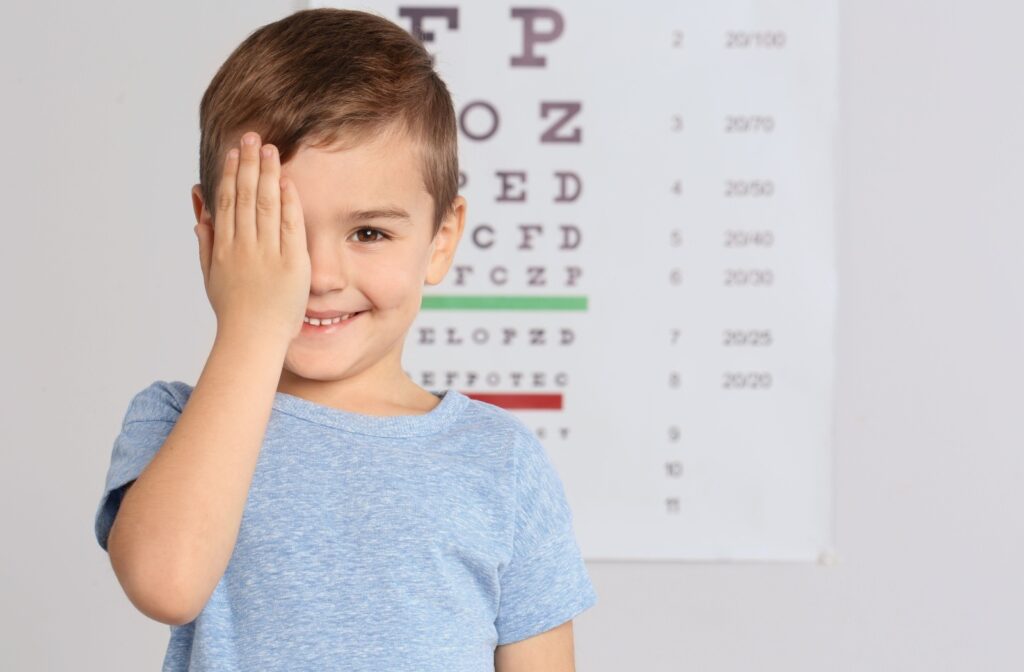
Next comes the familiar visual acuity test with the eye chart. You’ll read letters of different sizes to measure how clearly you see at various distances. The doctor also tests your peripheral vision by having you identify objects or lights at the edges of your sight.
The most important part involves dilating your pupils with special drops. This allows the doctor to see inside your eyes & examine structures like the retina, optic nerve, & blood vessels. Your vision stays blurry for a few hours afterward, so plan accordingly. Dilated eye exams are painless but needed for detecting eye diseases before symptoms appear.
Tests Your Eye Doctor Can Perform
The refraction test determines your exact prescription needs. You’ll look through different lenses while the doctor asks, “which is clearer—one or two?” This process fine-tunes your prescription for glasses or contacts.
Glaucoma screening measures intraocular pressure. High pressure can damage your optic nerve over time, leading to vision loss. The test feels like a gentle puff of air against your eye or a small instrument touching your numbed eye.
Your doctor examines your retina—the light-sensitive tissue at the back of your eye. They look for signs of damage from diabetes, high blood pressure, or age-related changes that could threaten your sight.
How Comprehensive Exams Differ From Basic Vision Screenings
Basic screenings at school or work only check if you can see the blackboard or read documents clearly. They focus on visual sharpness but miss the bigger picture of eye health. These quick tests take five minutes & use simple equipment.
Comprehensive exams evaluate your entire visual system & can detect more than 40 eye diseases. The doctor uses specialized equipment to photograph your retina, measure eye pressure, & examine structures invisible to the naked eye during basic screenings. This process takes 30 to 60 minutes. Comprehensive eye exams include multiple tests that screenings cannot perform.
The difference matters because many serious eye conditions develop without symptoms. You might see perfectly clearly while glaucoma slowly damages your peripheral vision or diabetes affects your retinal blood vessels.
What Basic Screenings Miss
Early glaucoma often shows no symptoms until significant vision loss occurs. Basic screenings can’t detect the subtle changes in your optic nerve that signal this condition. Only comprehensive testing with specialized equipment reveals these warning signs.
Diabetic retinopathy damages blood vessels in your retina long before you notice vision problems. Simple vision charts won’t catch these changes, but dilated eye exams reveal them clearly. Early detection prevents serious complications.
Age-related macular degeneration gradually affects your central vision. You adapt to small changes without realizing anything’s wrong. Comprehensive testing identifies this condition years before it impacts your daily activities.
Eye Conditions Your Doctor Can Detect Early
Cataracts develop slowly as proteins in your eye’s lens clump together, creating cloudy areas. You might not notice these changes initially, but your doctor can spot them during examination. Early detection helps you plan for future treatment.
Dry eye syndrome affects millions of people, especially those who work at computers all day. Your doctor evaluates tear production & quality to determine if your symptoms stem from insufficient tears or poor tear composition. Treatment options vary based on the specific type you have.
Refractive errors like nearsightedness, farsightedness, & astigmatism can worsen gradually. You might compensate by squinting or holding things closer without realizing your vision has changed. Regular exams catch these shifts before they strain your eyes. Comprehensive eye exams can detect over 270 health conditions beyond vision problems.
Signs That Need Professional Attention
Persistent eye irritation, burning, or the sensation of something in your eye may indicate dry eye syndrome or other conditions. These symptoms often worsen throughout the day, especially in air-conditioned environments or during computer work.
Difficulty focusing during computer work, frequent headaches, or tired eyes after screen time might signal vision changes or eye strain. These problems affect your productivity & comfort but respond well to proper treatment.
Changes in night vision, such as increased glare from headlights or trouble seeing in dim light, can indicate developing cataracts or other conditions. Don’t assume these changes are just part of getting older.
When You Should Schedule Comprehensive Eye Exams
Adults over 40 need yearly eye exams because age increases their risk for glaucoma, cataracts, & macular degeneration. These conditions develop gradually, & annual monitoring helps detect changes early, when treatment is more effective.
Younger adults with healthy eyes can schedule exams every two years. However, if you have diabetes, high blood pressure, or a family history of eye disease, you need more frequent monitoring. Your doctor can recommend the right schedule for your situation.
Schedule an immediate appointment if you experience sudden vision changes, flashing lights, new floaters, or eye pain. These symptoms may indicate serious conditions that require prompt treatment. Adult & senior eye exams become increasingly important with age.
Special Considerations for Families
Children need their first comprehensive eye exam by age 3, even if they seem to see fine. Many vision problems affect learning & development but aren’t obvious to parents or teachers. Early detection prevents academic struggles.
Computer workers face unique challenges from digital eye strain & dry eye. You might benefit from more frequent exams, especially if you spend more than 6 hours daily looking at screens. Your doctor can recommend strategies to protect your vision.
Diabetic patients require yearly eye exams regardless of age because diabetes damages retinal blood vessels. Even well-controlled diabetes poses risks, & early treatment prevents vision-threatening complications. Infant vision development also requires monitoring from birth through early childhood.
How to Prepare for Your Eye Doctor Visit
Bring your current glasses & contact lenses to your appointment. The doctor needs to see your current prescription & evaluate how well your lenses correct your vision. Don’t forget to bring sunglasses after your exam when your eyes are dilated.
Please list all medications you take, including vitamins & supplements. Some medications affect your eyes or interact with eye drops used during the exam. Include any health conditions like diabetes, high blood pressure, or autoimmune diseases.
Plan for dilated vision effects that last 2-4 hours after your appointment. Arrange for someone to drive you home, or schedule your exam when you don’t need to work afterward. Bright lights can bother your eyes during this time. Knowing how long your exam will take helps you plan your day accordingly.
What to Expect After Your Exam
Your doctor discusses any conditions they detected & explains treatment options. This might include prescription changes, eye drops for dry eye, or referrals for specialized care. Ask questions about anything you don’t understand.
If you need new glasses or contacts, you’ll receive an updated prescription. The staff can help you choose frames that suit your face & lifestyle. Contact lens wearers might need a separate fitting appointment.
Follow-up care depends on your individual needs. Some people return annually for routine monitoring, while others require more frequent visits. Your doctor schedules the next appointment based on your eye health & risk factors.
Visit The Eye Gallery For Your Next Exam
Your vision deserves comprehensive care that goes beyond basic screenings. The Eye Gallery in Wichita offers comprehensive eye exams in a comfortable, welcoming environment. Schedule your comprehensive eye exam today to protect your sight & maintain your eye health for years to come.